No products in the cart.

Discovery
Every trail looks new
A path you have walked a hundred times turns into uncharted territory when you see it from just above the ground, at drone height.


Product Code: EMXTHLADVRTF
Availability:In stock


Expedition kit · drone, radio and goggles in one box
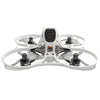
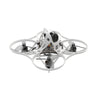
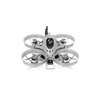
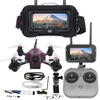
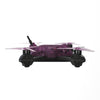
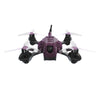
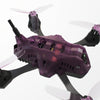
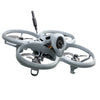
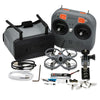
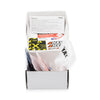
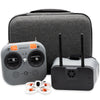
Put on the goggles and the world opens up. You see what the drone sees, live, as if you were riding inside it: along the trail, across the open field, up for the view. The Tinyhawk Lite Adventure kit packs the drone, radio controller, FPV goggles, battery and charger into one box, already paired, so the hardest part is choosing where to explore first.
New to this? Start here
FPV means “first-person view.” A tiny camera on the front of the drone sends live video to your goggles, so instead of watching a drone from the ground, you fly it from the inside, as if you were sitting in the cockpit. Camera drones watch the adventure. FPV puts you in it.
Why explorers fall in love with FPV
A path you have walked a hundred times turns into uncharted territory when you see it from just above the ground, at drone height.

Sweep across an open clearing, chase the trail ahead and rise for the view. It feels like flying, because, in a way, it is.

The first hover, the first lap of the yard, the first time it all clicks. Small wins come fast, and each one makes you want another battery.
Built for the trail
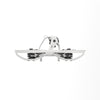
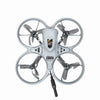
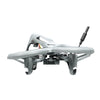
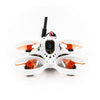
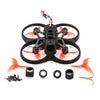
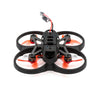
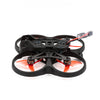
The Tinyhawk Lite was made for living rooms. The Adventure was made for the step outside: bigger, sturdier and fully covered, so it feels like a finished product rather than a hobby kit.

For a curious teen (14+), an outdoorsy grown-up, or a parent and teen who want to explore together, the Tinyhawk Lite Adventure kit is an easy gift to get right. There’s no hunting for compatible parts: the drone, controller, goggles, battery and charger come in one box and arrive already paired.
Tip: add an extra battery cartridge or two. One is included, and more batteries mean more flying between charges.

Your route to the first flight
Every great pilot starts somewhere. The Tinyhawk Lite Adventure starts in a self-leveling mode that limits how far it can tilt and levels itself when you let go of the sticks, so you can focus on the fun part.

Pull the battery isolation tab on the E8 radio and switch on the goggles’ power-protection switch, then charge the battery cartridge, the radio and the goggles from a 5V USB charger.
Turn on the radio and goggles, then the drone. In the kit they are already paired and set to the same video channel.
EMAX recommends a first flight indoors. In the self-leveling beginner mode, practice a steady hover about 3 feet (1 meter) off the floor.
When you feel in control, pick a calm day and a wide-open space away from people, and start exploring.
Fly in a clear, open space away from people, animals and objects, and not in wind, rain or bad weather. When you fly with goggles outdoors, have a friend beside you watching the drone. In the US, recreational pilots also need to pass the free FAA TRUST test. Follow local rules: many parks and historic sites do not allow drones. Learning takes practice, and bumps are part of it.

What’s in the box
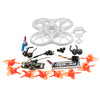
You may also want extra battery cartridges and a USB wall adapter (5V) for charging. The Transporter II goggles in this kit do not record video. Images may differ slightly from the product in the box.
The gear in the kit
The kit uses the same kind of equipment FPV pilots fly with, set up at the factory so a first-timer can skip the pairing and channel-matching.

A hobby that grows with you
Start in Angle mode and unlock the rest as your skills grow. A three-position switch on the E8 radio moves between them. It runs Betaflight, the open-source flight software FPV pilots use worldwide, and ExpressLRS (ELRS), one of the most popular radio links in FPV, so the skills you learn here carry forward into the wider hobby.
Beginner friendly. Limited tilt, and the drone levels itself and holds a hover when you let go of the sticks.
Self-levels with small stick movements, and flips or rolls when you push a stick all the way.
Full manual control with no angle limit, the way experienced freestyle pilots fly.
Reports from the field
Opinions in reviews are the reviewer’s own, and prices mentioned in videos may not be current; see this page for the current price. EMAX how-to videos may show other kits, but the basics are the same.
Questions from new pilots and gift-givers
The RTF kit includes the drone, E8 radio, Transporter II goggles, a battery cartridge and a charger, and the drone, radio and goggles come already paired and set to the same video channel. Before your first flight, pull the battery isolation tab on the E8, then charge the radio, goggles and battery cartridge.
It is a beginner-friendly first FPV kit for teens 14+ and adults, and a great hobby to share outdoors. The drone, radio, goggles, a battery and a charger come in one box. Consider adding an extra battery cartridge or two, and a USB wall adapter if you do not have one.
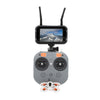
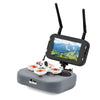
Yes. The Transporter II goggle screen can detach and mount on the E8 radio for monitor-style flying, which EMAX suggests for glasses-wearers, new pilots and anyone prone to motion sickness.
No. The Transporter II goggles in this kit do not have DVR recording.
It is for ages 14 and up and is not suitable for anyone under 14. Teen pilots should fly with an adult present. It contains small parts, so keep it away from young children.
Like riding a bike, it takes practice, and the first flights can feel challenging. The self-leveling Angle mode helps a lot: let go of the sticks and the drone levels out and holds its hover. EMAX recommends a first flight indoors, then heading outside once you feel in control.
Yes. The Adventure is the outdoor counterpart of the Tinyhawk Lite. Fly on calm days in a wide-open space away from people, animals and objects, and not in wind, rain or other bad weather. Always follow local rules for where drones may fly.
In EMAX testing, about 5 minutes of hovering and gentle cruising per fully charged 850mAh battery. Start heading back when the battery voltage on your screen drops to about 3.5V, and be landed by about 3.3V. Extra battery cartridges are sold separately.
Bumps are part of learning, and the covered body is built to be durable. After a crash, check the propellers and frame before you fly again. Replacement motors, propellers and batteries are available on our store.
Yes. Connect the E8 radio to your computer with a USB-C data cable and it works with FPV simulator software (sold separately), so you can practice before you fly.
Grow into it
The Tinyhawk Lite Adventure runs Betaflight, the open-source flight software used by FPV pilots around the world. Start simple, and as your confidence grows you can shape how it flies to match your style.
EMAX recommends keeping the factory tune and firmware, and the factory settings can be restored from EMAX’s settings file if you ever want to start fresh.

For the technically curious
| Wheelbase | 115mm |
| Dimensions | 148 × 144 × 45mm |
| Weight | About 59g without battery cartridge |
| Motors | 1020 coreless brushed, 3.7V |
| Propellers | 65mm three-blade |
| Flight controller | STM32F411 (100MHz), 1S input, programmable RGB LEDs |
| Receiver | Built-in ExpressLRS 2.4GHz (SPI) |
| Camera | EMAX E02 (analog) |
| Video transmitter | 32-bit open-source analog, 40 channels, 0 / 25 / 100 / 400mW; ships at 25mW on R4 |
| Battery | 1S HV 850mAh cartridge (4.35V full), EM2.0 connector |
| Flight time | About 5 minutes hover and gentle cruising (EMAX testing) |
| Firmware | Betaflight, EMAX factory tune, two PID profiles |
| Flight modes | Angle, Horizon, Acro |
| Protocol | ExpressLRS 2.4GHz |
| Channels | 8 |
| Output power | 10 / 25 / 50 / 100mW |
| Power | Built-in 18650 Li-ion battery; USB-C charging |
| Ports | USB-C, 3.5mm trainer port |
| Size / weight | 150 × 140 × 45mm, about 260g without battery |
| Extras | Simulator support, left/right-hand throttle modes |
| Screen | 4.3 inch, 480 × 272 |
| Frequency | 5.8GHz (5658–5945MHz) |
| Battery | Built-in 1300mAh, USB-C charging |
| Features | Auto channel search, detachable screen for monitor mode, no DVR |
| Weight | About 398g with strap and antennas |
Designed in California. VTX output must follow local rules: in the US, power above standard levels requires an FCC amateur radio license. EMAX recommends keeping the factory tune and firmware. Specifications from the EMAX Tinyhawk Lite Adventure user manual v1.0.